

The Introduction and Impact of Tunnel Kilns in the Japanese Ceramic Industry During the Early 20th Century
* Ph.D. Student, Division of Cultural Heritage Convergence, Korea University
DOI: https://doi.org/10.31065/kjah.326.202506.007
Abstract
The paper “The Introduction and Impact of Tunnel Kilns in the Japanese Ceramic Industry During the Early 20th Century” explores the pivotal role tunnel kilns played in the industrialization of Japan's ceramic production. It focuses particularly on developments during the Meiji (1868 to 1912), Taishō (1912 to 1926), and early Shōwa (1926 to 1945) eras. Beginning with an analysis of kiln technology advancements in the West, the study traces the adoption and improvement of tunnel kilns in Japan. In particular, it emphasizes the significant contributions of the Morimura Group through its flagship companies: Noritake, Toyo Toki, and NGK Insulators.
The shift from periodic, labor intensive kilns to continuous firing technology marked a fundamental change in both the efficiency and scale of Japanese ceramic manufacturing. The Morimura Group, an export wholesale company at the forefront of this transition, played a key role in refining European tunnel kiln models such as the Dressler (England), Harrop (America), and Kerabedarf (Germany) kilns. Morimura Group engineers modified these designs by adjusting airflow and combustion controls to improve fuel efficiency and achieve more consistent temperature distribution. These and other key advancements led to a reduction in production costs and firing times. For the first time in the country’s history, domestic ceramic companies were able to mass produce high quality products, including fine china, sanitary ware, and insulators.
Through detailed case studies of major kiln models and their adaptations, the paper shows how tunnel kiln technology helped Japan become a global leader in ceramic production in the early 20th century. It also explores the difficulties smaller manufacturers faced in adopting these kilns, especially before and during World War II (1939 to 1945), due to high upfront costs and the large amount of land required. Despite these obstacles, the spread of tunnel kilns laid the foundation for the growth of Japan's industrial ceramics sector to support traditional potters and also expand to new areas such as tile production.
The paper concludes by reflecting on the long term impact of these innovations. Tunnel kilns not only transformed the Japanese ceramic industry but also contributed to broader trends in manufacturing practices. The transition to tunnel kilns in Japan was a pivotal point in the global history of industrial ceramic innovation and continues to shape the industry today.
Ⅰ. Introduction
Advancements in the ceramics industry between the 1860s and 1920s revolutionized production in Japan, leading to significant improvements in fuel efficiency, product quality, and manufacturing speed. This period coincided with the Meiji Empire’s (明治, 1868-1912) broader industrialization efforts that would see Japan become a global leader in ceramic trade. Although kiln technology in Europe advanced nearly a century earlier during the Industrial Revolution (1760s–late 19th century), Japan narrowed the gap with Western powers through the early 20th-century adoption of continuously firing tunnel kilns.
The Meiji era marked a shift from artisanal craftsmanship to industrialized production driven by scientific and technical expertise. This transformation required potters to adopt roles as chemists, scientists, and engineers to parallel developments taking place throughout Europe and America. At the forefront of this evolution was the Morimura Group (森村グル〡プ), a prominent export wholesaler instrumental in introducing and advancing tunnel kiln technology for diverse ceramic applications. The group’s three largest companies—Nippon Toki Gomei Kaisha (日本陶器株式会社, now Noritake ノリタケ株式会社), Toyo Toki (東洋陶器株式会社, now TOTO 株式会社), and NGK Insulators (日本碍子株式会社, now 日本ガイシ株式会社)—not only utilized tunnel kilns but also implemented key alterations that influenced broader industrial standards around the world.
This paper explores the transfer of tunnel kiln technology from the West to Japan, with a particular focus on the innovations developed by Morimura Group engineers. These refinements highlight Japan’s industrial achievements during the Meiji, Taishō (大正, 1912–1926), and early Shōwa (昭和, 1926–1989) eras, underscoring its pivotal role in accelerating ceramic production at the turn of the 20th century.
Ⅱ. The Development of Tunnel Kilns in the West
Pottery kilns have been in use since as early as 3000 BCE, with up-draft kilns appearing across a range of cultures.1 By the 6th century CE, East Asian potters began adopting cross-draft kilns, reflecting early efforts to enhance heat distribution and firing consistency.2 These innovations laid the groundwork for more advanced technologies, but it was the rapid urbanization, expanding consumer markets, and the growing need for public infrastructure such as sanitation and transportation systems during the Industrial Revolution that truly transformed ceramic production. In this new context, periodic kilns became a significant obstacle to large-scale manufacturing. As a result, interest in continuous firing methods intensified, setting the stage for the eventual development of tunnel kilns.
The earliest clear step in tunnel kiln technology came in 1751 when Claude-Humbert Gérin (1705–1750), supervisor of France’s Vincennes porcelain manufactory (est. 1740, later Sèvres), constructed the first continuously firing kiln. Designed for glost firing3, this kiln suspended wares on metal hooks to optimize thermal exchange based on size and weight (Fig. 1).4 Though the kiln remained in use at the factory until 1804, continuous kilns did not achieve widespread adoption during this time.5 Instead, the late 18th and early 19th centuries focused on refining down-draft kilns. By the mid-19th century, down-draft kilns had become the industry standard, with English ceramic manufacturer Thomas Minton’s 1873 patent shaping later designs.6 In contrast, tunnel kilns remained rare due to high construction costs, extensive testing requirements, and the large space needed for installation.
As industrialization advanced in the mid-19th century, interest in continuous firing methods was revived. Early innovations such as the Hoffmann kiln (1854) and Mendheim kiln (1867), both developed in Germany, laid the foundation for further progress.7 Building on these models, German engineer Otto Bock (1850–1913) began researching tunnel kilns in 1877, concentrating on improving airflow and gas control. His efforts led to the creation of more than 60 designs, contributing significantly to the standardization of tunnel kiln technology by the early 20th century.8
Unlike periodic kilns, which required separate heating and cooling cycles for each batch, tunnel kilns operated continuously, moving wares through an enclosed chamber divided into preheating, firing, and cooling zones. Their widespread adoption marked a turning point in ceramic manufacturing, laying the foundation for modern mass production. Understanding the mechanics of early 20th century tunnel kiln models is essential for comprehending their impact on the ceramic industry at the turn of the century (Table 1).
1. Features of Early Tunnel Kilns and Key Models
To comprehend the general function of tunnel kilns from the late 19th and early 20th centuries, it is essential to understand the gas and airflow within the preheating, firing, and cooling zones (Fig. 2). This controlled temperature gradient improved fuel efficiency, ensured uniform firing, reduced thermal shock, and, as advancements in airflow regulation and heat distribution progressed, facilitated sustained production at a lower cost.
The preheating zone (50-1000°C) was where unfired ceramics were gradually heated by hot air and gases originating from the firing (1000-1300°C) and cooling zones (1300-50°C) which flowed counter to the direction of the moving wares. In the central firing zone, fuel compartments were strategically placed on the sides or top of the kiln to deliver direct heat to the kiln load. To vent exhaust, a chimney was positioned at either end of the kiln (Figs. 2, 3).9
Tunnel kilns typically ranged from 30 to 100 meters in length, with models predating the 1930s often measuring between 70 and 100 meters. Most were around three meters in height, and firing durations generally lasted between 40 to 60 hours, significantly shorter than the five to seven days required by large-scale down-draft kilns.10 Inside the kiln, wares were transported on wheeled metal cars that moved along rails, with an average of 20 to 60 cars required for a single firing session.11
Despite these advancements over down-draft kilns, early tunnel kilns were not without flaws. The most significant issue was the uneven distribution of heat and gas, which failed to reach the wares in the center of the cars. To address this, dampers were refined from the 1910s onward, initially taking the form of narrower walls and lowered ceilings before evolving into mechanized systems integrated into the kiln’s exterior. The most notable tunnel kiln models employing the aforementioned features were the Dressler (England), Harrop (America), and Kerabedarf (Germany) designs. These kilns would later be modified by Japanese engineers of the Morimura Group, making their distinctive features particularly significant for further study.
1) The British Dressler Kiln
Until the early 20th century, the United Kingdom’s widespread usage of up-draft bottle kilns slowed the adoption of tunnel kilns, underscoring the influence of local and cultural industrial practices on technological advancements.12 A significant turning point occurred in 1912 when potter Conrad Dressler (1856–1940) patented a muffle tunnel kiln for use in the northern pottery hub of Staffordshire (Fig. 4).13
Early Dressler models measured approximately 70 meters long. Bisque firing, with 50 small to medium-sized pieces per cart, took nearly 42 hours for 24 carts, totaling approximately 1,200 pieces per session. In comparison, glost firing, with 350 small to medium-sized pieces per cart, required about 28 hours for 36 carts, totaling an estimate of 12,600 pieces per session.14
The Dressler kiln’s appeal lay in its muffle structure, which enabled it to maintain consistent internal temperatures and eliminate the need for saggars (Fig. 5). As a result, labor and material costs were significantly reduced. This made it particularly effective for firing large industrial products such as sanitary ware and tiles, and it was quickly adopted by leading European manufacturers such as Villeroy & Boch (est. 1836) in Mettlach, Germany (Fig. 6).15 In contrast, Japanese engineers at Toyo Toki later adapted the Dressler design to run on heavy oil and utilize multi-burner systems, innovations that improved glost finishes and reduced discoloration. These modifications are discussed further in Section 4.1 (“The Dressler Kilns of Toyo Toki”).
2) The American Harrop Kiln
In 1920, American engineer Carl Harrop (1880–1934) introduced a tunnel kiln with widened sidewalls that improved airflow and directed combustion gases downward to enhance heat consistency.16 Early Harrop kilns, measuring approximately 100 meters long, processed one kiln car per hour, with glost firings lasting about 52 hours.17 Until the end of World War II, they remained a favored model for large-scale ceramic production due to their durability, heat resistance, and reduced thermal shock.18
One of the earliest adopters in Europe was the Carl Tielsch & Co. (est. 1845) porcelain factory in Altwasser, Silesia (today Wałbrzych, Poland) (Fig. 7). In the United States, Harrop kilns were mainly used in the industrial and refractory ceramic sectors. When introduced to Japan by NGK Insulators, the kilns were further modified to manufacture high-voltage insulators suited to Japan’s rapidly expanding electrical infrastructure. These changes are examined in further detail in Section 4.2 (“The Harrop Kilns of NGK Insulators”).
3) The German Kerabedarf Kiln
Invented in 1923 by German engineer Paul Gatzke (1895–?), the Kerabedarf kiln featured a multi-section muffle structure.19 A fan system improved cooling by directing cold air over the wares, while recycled hot air powered around 20 gas burners to boost energy efficiency.20 The kiln achieved fuel savings of up to 73% for fine ceramics and 70% for heavy ceramics compared to down-draft kilns. Its compact, 30-meter design with one-meter car spacing greatly minimized firing losses. Most models required 36 to 48 hours per glost firing, processing about 30 cars and 600–900 wares per session.21
During the interwar period, Kerabedarf kilns were adopted by major Western tableware manufacturers, including Rosenthal Porzellan AG (est. 1879) in Bavaria (Fig. 8). Noritake later refined the Kerabedarf model to mass-produce bone china and decorative wares tailored for export. As a result, Noritake’s products soon ultimately surpassed the aesthetic and technical standards of Western porcelain in both scale and global appeal. More information on the changes made by Noritake engineers will be discussed in Section 4.3 (“The Kerabedarf Kilns of Noritake”).
Ⅲ. The Evolution of Japan’s Ceramics Industry During the Meiji Era
The late 19th century marked a pivotal period for the Japanese ceramics industry as the country transitioned from the Edo period (江戸, 1603-1868) to the Meiji period. Notably, the Treaty of Kanagawa (日米和親条約) of 1854 initiated a series of unequal trade agreements with Western powers such as the United States, France, the United Kingdom, Russia, and the Netherlands.22 These agreements exposed Japan to economic disadvantages including trade imbalances, loss of tariff control, and increased foreign influence that undermined local industries. Foreign goods flooded the Japanese market, placing pressure on domestic production, and limiting Japan’s ability to protect its industries. This economic strain fueled the Meiji Restoration of 1868 (明治維新), a state-led effort to modernize the nation and strengthen its economy in order to compete with dominant global powers. A central aspect of this transformation was industrialization, which was fueled by the adoption of foreign technologies and the shift from a primarily public-sector economy to one focused on private enterprise.23
Japan sought to assert its cultural influence by improving its ceramics industry, particularly as foreign fascination with Japanese decor under the “Japonisme” trend began to wane in favor of European Art Nouveau and Chinese craft art.24 World exhibitions, such as the 1873 Vienna World Fair, played a crucial role in the country’s shift toward modernization, as the events provided a platform for Japanese industrialists to study market dynamics and undertake training led by foreign experts.25 Of the various beneficial influences stemming from these exhibitions, one of the most significant was German chemist Gottfried Wagener (1831–1892) (Fig. 9).
Wagener, who first arrived in Japan in 1868, introduced techniques to domestic manufacturers for improving underglaze and overglaze applications, as well as managing raw materials, while also teaching Ceramics at the Tokyo Industrial School (東京工業学 校).26 Wagener also recognized the abundant coal resources across Kyushu Island (九州) and subsequently encouraged the development of down-draft, coal-fired kilns as a sustainable and cost-effective alternative to Japan’s traditional, wood-fired climbing kilns (登り窯, noborigama).27 His experimentation with a prototype kiln in the pottery hub of Arita (有田) marked one of the earliest efforts of the fuel source transition in Japan’s ceramics industry (Fig. 10).28
In the decades that followed, Japanese engineers and manufacturers built on Wagener’s foundation by experimenting with new kiln configurations. Among these, the tunnel kiln stood out as a revolutionary advancement. One company that emerged as a leader during this period was the Morimura Group. Not only did the company establish a retail presence in the United States, but they also designed products tailored to the American market. Additionally, Morimura Group staff studied Western kiln technologies in order to improve domestic production methods and stabilize their role in the global market.
1. The Establishment of the Morimura Group
The Morimura Group was established in 1876 in Tokyo (東京) as an export wholesale company by brothers Ichizaemon Morimura VI (森村市左衛門, 1839–1919) and Toyo Morimura (森村豊, 1854–1899) (Fig. 11).29 While facilitating exchanges of currency during the Edo period, Ichizaemon noted the disparity of finely crafted Japanese silver and gold being exchanged for copper-like Mexican dollars at a 150% profit margin.30 Guided by the advice of entrepreneur Yukichi Fukuzawa (福澤 諭吉, 1835–1901), who urged that “the only way to retrieve the gold is by exporting goods from Japan,” the brothers turned their attention to international trade.31
In November 1876, the Morimura Group established the Morimura Brothers retail shop in New York City for the sale of Japanese antiques.32 By the 1880s, the company shifted its focus to ceramics after identifying a growing interest among American consumers for pure white porcelain typical of the Victorian era (1837-1901). At that time, however, no Japanese manufacturer had yet mastered the techniques or aesthetic preferences required for durable Western-style dinnerware. This gap created an urgent need not only for design innovation but also for industrial infrastructure capable of sustaining high-volume, high-quality output.
Although the first tunnel kiln in Japan would not be constructed by the Morimura Group until 1919, the company staff was already laying the groundwork for future mass production. In the 1880s and 1890s, they actively studied Western machinery, explored continuous firing systems, invested in scalable production facilities, and analyzed the material composition of Western tableware. Much of this initiative was led by Magobei Okura (大倉孫兵衛, 1843–1921), an early member of the company and brother-in-law to Ichizaemon, whose dedication to developing fine ceramics was mirrored by his son, Kazuchika Okura (大倉和親, 1875–1955) (Fig. 12).33
Recognizing the importance of proximity to ceramic production hubs and export docks, the Morimura Group opened an office in Nagoya (名古屋) in 1892, as well as a tableware production facility in 1894. Located near approximately 30 ceramic painting factories and the ancient pottery region of Tono (東濃), Nagoya quickly became a critical center for Morimura Group operations.34 The surrounding Aichi (愛知県) and Gifu (岐阜 県) prefectures were highly receptive to foreign technological advancements and would account for nearly 70% of Japan’s dinnerware production from 1895 until the end of World War II.35 This early groundwork laid the foundation for the Morimura Group to adopt tunnel kiln technology, which would become a defining moment in the industrialization of Japan’s ceramic sector.
Ⅳ. Adoption and Advancement of Tunnel Kilns by the Morimura Group
By the early 20th century, widespread reliance on traditional down-draft round kilns presented a significant setback in mass production, as each firing cycle could take up to two weeks to complete. For an industrial-sized kiln, this meant producing anywhere from 30,000 to 80,000 pieces of tableware per batch.36 The inefficiency of batch firing meant that factories had long periods of inactivity between firings, limiting output and making it difficult to meet growing export demands. As a comparison, a tunnel kiln measuring anywhere between 50 and 70 meters long could fire approximately 200,000 wares for glost firing in just over 24 hours.37
Recognizing the need for more advanced firing methods, the Morimura Group sought expertise from Western experts. In 1902, English chemists and brothers Louis and Alfred Rosenfeld (dates unknown) traveled to Nagoya with the intention of studying Japan’s gold dot relief technique (金盛絵, kin mori-e) which was commonly used on decorative porcelain.38 In exchange for guidance on the technique and in establishing a Japanese retail shop in London, the Rosenfeld brothers allowed Morimura Group staff to inspect their modern factories in Stoke-on-Trent, England, and Karlsbad, Austria.39
The following year, Magobei Okura, Kazuchika Okura, Morimura Brothers store manager Yasukata Murai (村井保固, 1854– 1936), and engineer Kotaro Asukai (飛鳥井孝 太郎, 1867–1927) visited the Rosenfeld factories to learn about tunnel kilns. However, as most tunnel kilns were still in the experimental phase at this time, the Morimura team was unable to see one in operation.40 Instead, Okura secured the rights to Thuringian down-draft round kilns, which were later adopted when the company established its tableware production facility in Nagoya on January 1, 1904 (Fig. 13).41 This facility was reorganized as Nippon Toki Gomei Kaisha (henceforth referred to as Noritake) with Kazuchika Okura serving as its first president.
Nearly a decade later, further advancements in tunnel kiln technology began to shape the Morimura Group’s production capabilities. In 1912, Kazuchika Okura (henceforth referred to as Okura) and Research and Development manager Magoemon Ezoe (江副孫 右衛門, 1885-1964) witnessed a functioning tunnel kiln at Carl Tielsch & Co. that produced white porcelain with up to 50% greater fuel efficiency than Noritake’s down-draft round kilns.42 The following year, Okura visited the German engineering company Schultze to observe another tunnel kiln that functioned in a reduced atmosphere, albeit with slight yellow discoloration appearing on the glaze. Morimura Group executives were unwilling to invest in imperfect technology and chose not to adopt the Schultze kiln at that time. Nevertheless, Noritake found success with its existing down-draft round kilns, successfully producing Japan’s first dinnerware set, known as ‘SEDAN’, in 1914 (Fig. 14).43
During a research trip to Europe and the United States in 1915, Okura and Noritake Chief Engineer Momoki Saburo (百木三郎, 1880–1940) observed variations of the Dressler tunnel kiln that were employed by several sanitary ware manufacturers.44 Convinced of the kiln’s broader applications beyond tableware, Okura sought to acquire the Dressler kiln patent. However, the Morimura Group executives repeatedly declined due to the kiln’s exorbitant cost of £10,000 GBP (approx. $6 million USD today). Determined to modernize production and expand Noritake’s product line, Okura personally funded the purchase in 1918, marking the beginning of the Morimura Group’s lasting relationship with tunnel kiln technology.45
The following sections chronologically examine the pivotal roles of the Dressler, Harrop, and Kerabedarf tunnel kilns in enhancing production rates, fuel economy, and product quality within the Morimura Group’s three main ceramic companies: Toyo Toki, NGK Insulators, and Noritake (Table 2). Specifications of and advancements made to each kiln by Japanese engineers provide the foundation for an in-depth analysis of growth within the country’s ceramic industry in the early 20th century.
1. The Dressler Kilns of Toyo Toki
At the start of the 20th century, sanitary facilities in Japan were primarily outdoor squatting toilets without a sewage system.46 Motivated to improve hygiene facilities, Okura established a sanitary ware laboratory at Noritake in 1912. By 1914, the company had created the country’s first seated flush toilet which led to the establishment of the Toyo Toki sanitary ware factory in Kitakyushu (北九州) in 1917.47
Initially, Toyo Toki relied on British down-draft round kilns for production. In January 1919, English engineer H. J. Rushton (full name and dates unknown) visited the factory to provide guidance on the construction of a 107.5-meter-long Dressler kiln which had started a year prior (Figs. 15, 16).48 This new installation reduced fuel consumption by 64% compared to previous down-draft kilns. After extensive testing, the kiln was officially installed in 1922. The system demonstrated improved firing consistency and eliminated heat damage to metal components, though slight discoloration remained due to firing in a reduced atmosphere.49
To meet the rising demand for durable sanitary ware after the 1923 Great Kanto Earthquake (関東大震災), Toyo Toki installed a second Dressler kiln in the same year and a third in 1926.50 Before the installation of the third kiln, Toyo Toki engineer Reizo Tsuboi (坪井礼三, dates unknown) traveled to Europe to study the latest Dressler kiln advancements. His goal was not to adopt Western methods directly, but to identify areas for improvement.51 Confident in Japan’s engineering potential, he aimed to surpass foreign designs rather than wait for their refinement.
By 1931, Tsuboi had refined the Dressler kiln’s burner chamber with a multi-burner configuration that allowed for more even firing. Additionally, the kiln’s fuel source was switched from coal to heavy oil to improve ware cleanliness and reduce air pollution. Heavy oil also provided more consistent pricing and availability while maintaining efficiency levels similar to those of coal.52 As Tsuboi refined the Dressler kiln, Okura was simultaneously laying the groundwork for the installation of tunnel kilns dedicated to industrial ceramics production.
2. The Harrop Kilns of NGK Insulators
During the Meiji period, the widespread adoption of electricity in Japan created the demand for domestically produced high-voltage insulators. Although insulators had been manufactured in traditional ceramic centers such as Arita, Seto (瀬戸), and Aizu (会 津) from the early Meiji period, no company specialized in domestic production.53 In response to this need, engineer Keijiro Kishi (岸 敬二郎, 1867–1927) collected ceramic fragments from American insulator manufacturer R. Thomas & Sons (est. 1892) during a visit to the United States in the early 20th century.54 These fragments formed the basis of his research on producing high-quality domestic insulators, which he pursued in collaboration with Okura. Their efforts eventually led to the establishment of NGK Insulators (日本碍子株式会社) in Nagoya in 1919.55
Like other Morimura Group companies, NGK Insulators initially relied on down-draft round kilns for production. By 1927, Magoemon Ezoe and engineer Kichijiro Yamada (山 田吉次郎, dates unknown), recognized the potential of the Harrop tunnel kiln during a research trip to the United States. The following year, an American technician by the surname of Perry (full name and dates unknown) assisted NGK Insulators in constructing a Harrop kiln for approximately ¥322,000 JPY (approx. $152,000 USD today).56 The 120-meter-long kiln was first fired in December 1928 and achieved a yield rate of 92%, a notable improvement over the 88% yield rate from previous down-draft kilns.57
Despite the success of the new tunnel kiln, Ezoe and Yamada introduced several modifications to further enhance production quality. The kiln’s oxidizing atmosphere was adapted to function in either an oxidizing or reducing atmosphere. Airflow was regulated by injecting air from the first burner position in the firing zone to prevent excessive carbon monoxide buildup in the preheating zone. Additionally, the burners were repositioned to face one another, resulting in more even heat distribution, improved combustion efficiency, and better atmospheric control.58 By 1938, NGK Insulators had installed three more Harrop kilns to solidify the technology’s role in Japan’s industrial ceramics sector.
3. The Kerabedarf Kilns of Noritake
With an influx of production ranging from 2,000 dinnerware sets in 1914 to 11,000 sets by 1916, Noritake was forced to expand its existing down-draft kilns from 15 to 28 in 1917.59 By 1920, production exceeded 60,000 sets, and Noritake captured the largest share of the United States’ imported ceramics market, surpassing British and German factories for the first time in history.60 The rapid surge in demand, coupled with the proven success of tunnel kilns at Toyo Toki and NGK Insulators, prompted Okura to initiate plans for the installation of Kerabedarf kilns at Noritake.
The idea of constructing a Kerabedarf model for the tableware factory first emerged in 1929 during a European and American research tour by Noritake engineers Yaroku Harada (原田弥六, dates unknown) and Jiro Ishikawa (石川次郎, dates unknown).61 This was part of a larger modernization plan spanning from 1933 to 1940, spearheaded by Noritake’s second president Ippei Iino (飯野逸平, 1884-1963).62 The objective was to mechanize production to become the first ceramic factory in Japan to produce bone china. The initial layout was comprised of two glost firing tunnel kilns and one bisque firing tunnel kiln for an approximate cost of ¥48,000 JPY (approx. $404,000 USD today).
By early 1930, Noritake sought to secure a license from the German firm Keramische Industrie-Bedarfs-Aktiengesellschaft (henceforth referred to as Kerabedarf) to construct their specific models (Fig. 17). Under the initial contract, Kerabedarf agreed to provide detailed technical drawings, construction guidance, and long-term consultation in exchange for an upfront payment of RM 100,000 (approx. $450,000 USD today).63 At this time, Noritake had already secured a patent transfer agreement for a Kerabedarf kiln with the proposed arbitrator Leybold (レイボルド株式会社, est. 1850), a joint Japanese-German machinery trading company. Although Kerabedarf kilns were built with high-quality refractory materials and efficient insulation that improved heat retention and distribution, they were prone to interior damage and ware defects due to uneven carbon monoxide flow. Aware of these challenges, Noritake attempted to renegotiate several contract terms, seeking broader licensing rights, the removal of additional fees for modified kiln designs, and greater autonomy in technical adjustments.64
Negotiations became further complicated when Noritake learned that the General Kiln & Furnace Corporation of the United States had allegedly secured exclusive rights to Kerabedarf kilns outside of Europe in late 1929, casting doubt on the legitimacy of their agreement (Fig. 18).65 In 1933, Noritake purchased only a sketch of the kiln rather than the full set of technical drawings.66 By 1934, Noritake had successfully constructed a Kerabedarf-style tunnel kiln measuring 78.7 meters in length, marking the first time the Morimura Group completed a tunnel kiln without Western engineering assistance.67
The first major innovation led by Harada and Ishikawa was the injection of fresh air at the boundary between the preheating and firing zones to ensure the complete combustion of carbon monoxide generated in the firing zone’s reduced atmosphere (Fig. 19). A fan-controlled carbon monoxide zone in the firing chamber helped direct fresh air between the preheating and firing zones. Without this fan, carbon monoxide would flow into the preheating zone, raising its temperature excessively and disrupting kiln efficiency.68 This measure prevented the reducing flame from entering the preheating zone, maintaining a distinct oxidizing environment.
The fresh air injection system required precise adjustments, as even a 0.5–1mm change could significantly alter the airflow. Introduced at around 20°C, small amounts of fresh air had a noticeable impact on the kiln atmosphere, ensuring the firing zone maintained its reducing environment while the preheating and cooling zones operated as oxidizing environments. This approach was also applied at the exit of the cooling zone, where fresh air was introduced and combustion gases were partially extracted, contributing to overall atmospheric control throughout the kiln.69
In addition to the air injection system, structural improvements optimized airflow and gas pressure regulation. For instance, opening a damper too much prevented the glaze from melting properly. These adjustments eliminated the backflow of flames into the cooling zone and improved the kiln’s thermal efficiency. Furthermore, the carbon monoxide concentration in the firing zone was reduced to 3%, significantly lower than the industry standard of 7% for ceramic firing.70 As a result, a single Kerabedarf kiln could achieve the same output as six traditional down-draft round kilns.71
By 1938, Noritake had constructed a mass production plant that included four tunnel kilns for glost firing and three for bisque firing, leading to the deconstruction of all 28 multi-layer round kilns.72 The engineering advancements implemented at the facility soon attracted the attention of Kerabedarf, which sent personnel to inspect the modifications. Their request was denied, as Noritake sought to maintain exclusive control over its high-quality reducing atmospheric tunnel kiln.73 This case illustrates a moment of reverse technological transfer, in which Japanese innovations in kiln design began to influence their European counterparts.
4. The Expansion of Tunnel Kilns in Japan
The remarkable innovations of Morimura Group engineers, combined with Kazuchika Okura’s unwavering commitment to high-quality production, propelled the company to become Japan’s largest export wholesaler from the early 20th century until the outbreak of World War II. During this period, ceramics dominated Western markets and emerged as Japan’s leading export from 1868 to 1939.74 The integration of tunnel kilns within the Morimura Group’s operations provided a strong foundation for sustained industrial growth.
Notably, Noritake achieved remarkable growth in the late 1930s, employing over 4,000 workers in its decorative painting departments, a significant increase from the total workforce of 2,000 in 1917.75 Toyo Toki also opened a second manufacturing facility in Chigasaki (茅ヶ崎) in 1937, while NGK Insulators made major advancements in acid-resistant porcelain and automotive and aircraft spark plugs, culminating in the establishment of NGK Spark Plug (日本特殊陶業株式会社, now Niterra) in 1936.76 Through responsiveness to market demands and resilience amid geopolitical challenges, the Morimura Group played a pivotal role in strengthening Japan’s industrial capabilities (Fig. 20).
The introduction of tunnel kiln technology to Japan was not merely a technical upgrade. Instead, it reshaped the ceramic industry’s production structure, labor demands, and regional distribution. While early adoption remained confined to major firms with sufficient capital and technical expertise, the decades that followed saw the gradual diffusion, adaptation, and eventual standardization of this technology. The prewar concentration of tunnel kilns among heavy industry leaders, the postwar reconfiguration of production in response to fuel shortages, and the eventual shift toward domestically developed, medium-scale kilns collectively made mechanized ceramic manufacturing more widely accessible.
By the 1930s, tunnel kilns had expanded beyond the Morimura Group to other sectors of Japan’s ceramics industry, but adoption was primarily limited to capital-intensive enterprises. The refractory industry, closely aligned with the growth of steel and construction sectors, was an early beneficiary. In 1934, Japan Iron & Steel (日本製鐵株式会社) in Kitakyushu pioneered the use of a 140.5-meter-long German Dressler tunnel kiln for refractory brick production. Soon after, Shinagawa Refractories (品川リフラクトリ〡ズ株式会社, est. 1875) in Tokyo, Osaka Yogyo (大阪窯業株式会社, est. 1882) in Osaka (大阪), and Shofuku Industries (松風工業, est. 1917) in Kyoto (京都) integrated tunnel kilns into their operations.
The tile industry also saw major advancements in 1934, when MS Tile Works (月星建陶社, founded prior to 1926) constructed an oil-fired Harrop kiln entirely under the guidance of Japanese engineers. Similarly, Saji Tile Works (佐治タイル, founded prior to 1930) collaborated with the German Dressler company to build a direct-flame tunnel kiln for rigid tiles and a semi-muffle model for glazed tiles in 1937. That same year, Morimura Group-owned Ina Seito (伊奈製陶株式会社, est. 1924, now INAX) constructed a Kerabedarf kiln with a coal gas producer.77 However, these developments remained clustered within larger firms that could afford foreign engineers or import advanced components. Smaller firms, lacking access to such capital, continued to rely on climbing or down-draft kilns.
While prewar expansion in the wider tableware market promise, the outbreak of World War II stalled technological dissemination in the industry. Notably, Nagoya Seito Sho (名古屋製陶所株式会社, est. 1908) began constructing a Dressler kiln in the late 1930s with assistance from a German engineer, but the project remained unfinished when World War II broke out in 1939. By that time, approximately 50 tunnel kilns were in operation across Japan’s refractory and ceramics industries. Post-war fuel shortages caused this number to drop to 32 by 1952, forcing smaller manufacturers to rely on rationed firewood and coal for fuel. Consequently, traditional kilns and coal-fired periodic kilns remained in regular use until after the war. By the 1950s, the industry standard had shifted mostly to 30-meter Harrop tunnel kilns powered by heavy oil.78
Another key standardization occurred in 1953, when an engineer by the surname of Suzuki (鈴木, full name and dates unknown) began constructing medium-sized tunnel kilns (approx. 50 to 70 meters) at Takasago Industry (高砂工業株式会社, est. 1953), specifically designed for tableware production in the Tono region. As demand for smaller kilns increased after the war, Takasago met this domestic need while also assisting Japanese manufacturers in optimizing their production processes. As a result, Takasago became the country’s largest producer of tunnel kilns and were responsible for the first exports of Japanese-made tunnel kilns abroad.79 While the Morimura Group’s contributions are undeniable—as the first to introduce and improve tunnel kiln technology in Japan—it was Takasago that transformed these advancements into a commercially viable product. By producing the technology domestically and making it accessible to a wider range of manufacturers, Takasago played a pivotal role in expanding its use and ultimately paved the way for innovations such as roller hearth kilns.80
By the latter half of the 20th century, tunnel kilns were gradually supplanted by roller hearth kilns, which offered faster firing cycles and greater adaptability to changing product types. Yet this transition did not diminish the importance of tunnel kilns. From concentrated prewar investments to postwar standardization and regional empowerment, tunnel kilns served as a bridge between traditional craftsmanship and modern industrial ceramics.
Ⅴ. Conclusion
The adoption and advancement of tunnel kiln technology played a pivotal role in the industrialization of Japan’s ceramics industry from the Meiji era through the mid-20th century. Initially developed in Europe and America, tunnel kilns underwent significant refinements in Japan through the efforts of Morimura Group companies Toyo Toki, NGK Insulators, and Noritake. Tunnel kilns not only enhanced production efficiency but also set new benchmarks in product quality and manufacturing scalability. By integrating the Dressler, Harrop, and Kerabedarf kiln models into domestic production, Morimura Group engineers optimized firing conditions, reduced thermal inconsistencies, and improved overall manufacturing output.
Throughout the early 20th century, Japan’s implementation of tunnel kiln technology positioned it as a dominant force in the global ceramics trade. The Morimura Group demonstrated an unparalleled ability to blend foreign technological advancements with local expertise, fostering an era of rapid industrial growth before World War II. This transformation, however, was not without challenges. The financial and technical demands of tunnel kilns largely confined their adoption to major enterprises across Japan, leaving small and medium-sized manufacturers reliant on older periodic kiln models until post-war economic stabilization enabled broader diffusion. Nevertheless, the successful adaptation of tunnel kilns helped Japan surpass Western competitors in the ceramics export market.
This paper emphasizes the crucial role of tunnel kilns in shaping Japan’s ceramics industry and their broader influence on global kiln technology advancements. Future research should explore the socio-economic impacts of this industrial shift, particularly its effect on traditional artisans and the role of technological transfer in regions colonized by Japan, such as the Korean Peninsula and China. Additionally, this work highlights the value of interdisciplinary research, especially the collaboration between art history and the sciences, in enriching our understanding of how innovation influences both creative expression and large-scale production. By examining the relationship between past advancements and modern manufacturing needs, we gain a deeper appreciation for the enduring impact of tunnel kilns and their role in shaping global ceramics.
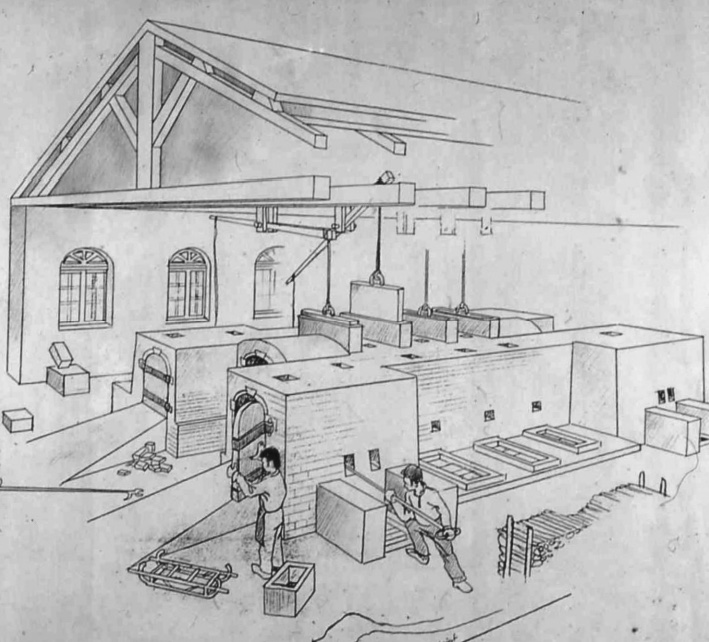
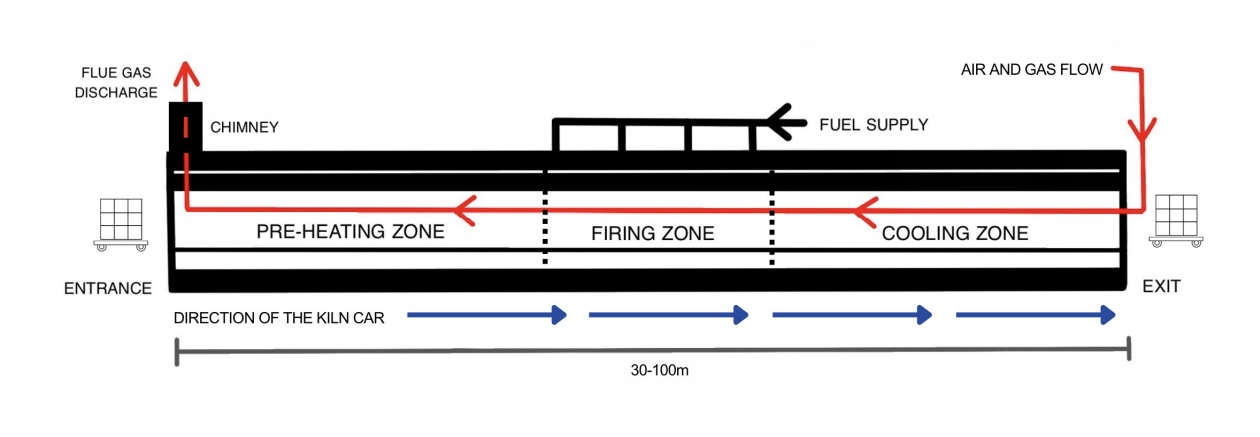
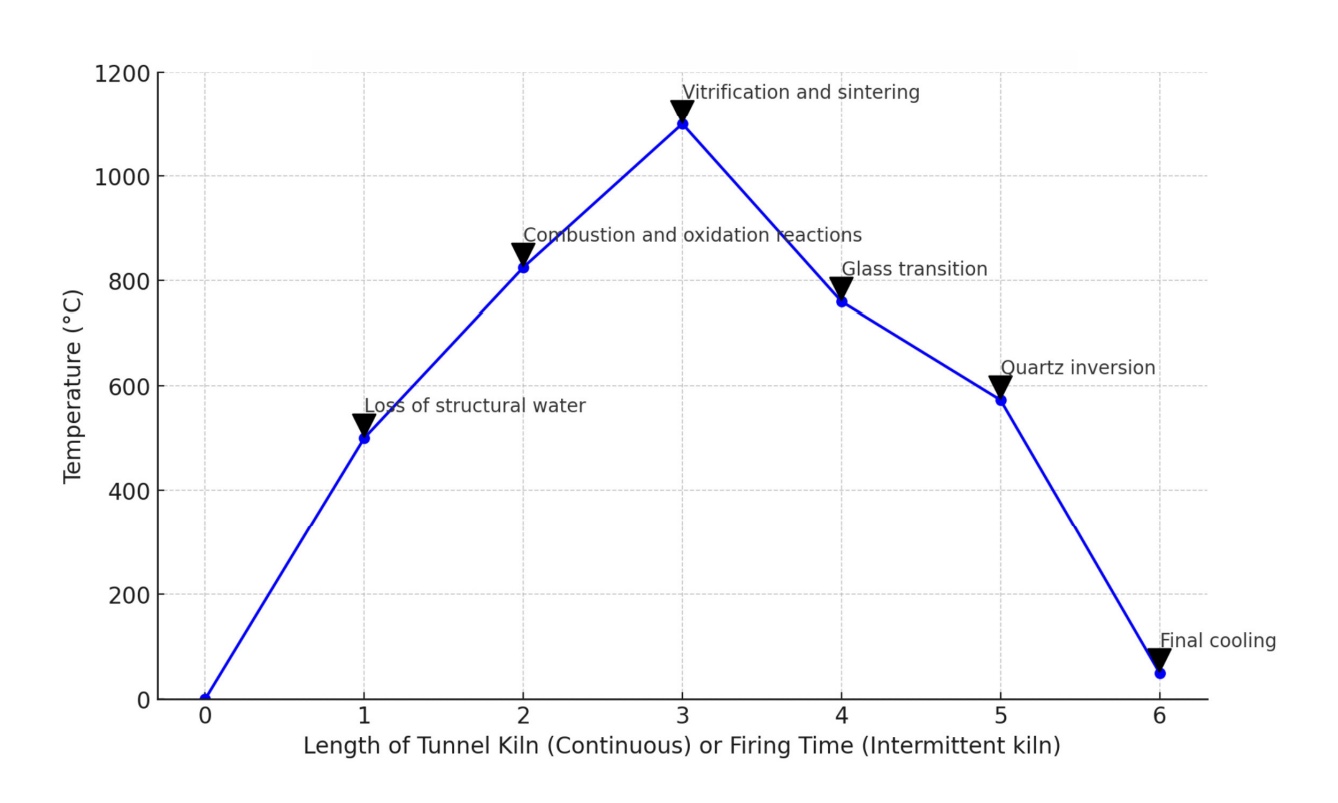
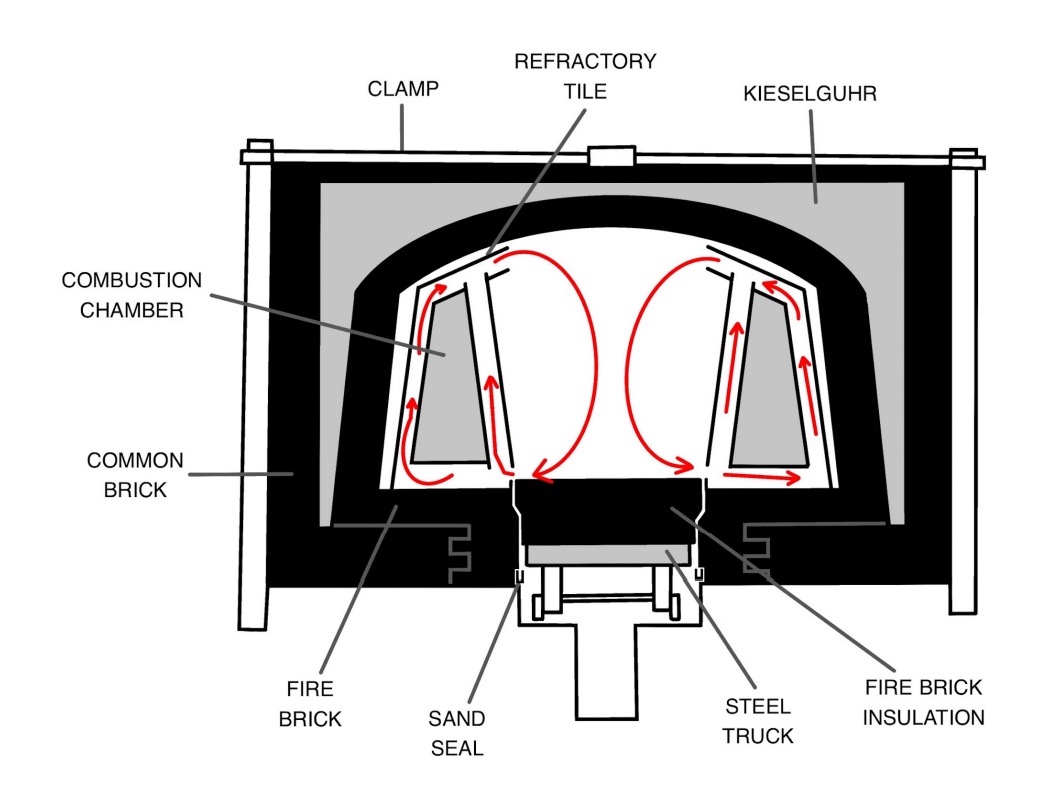
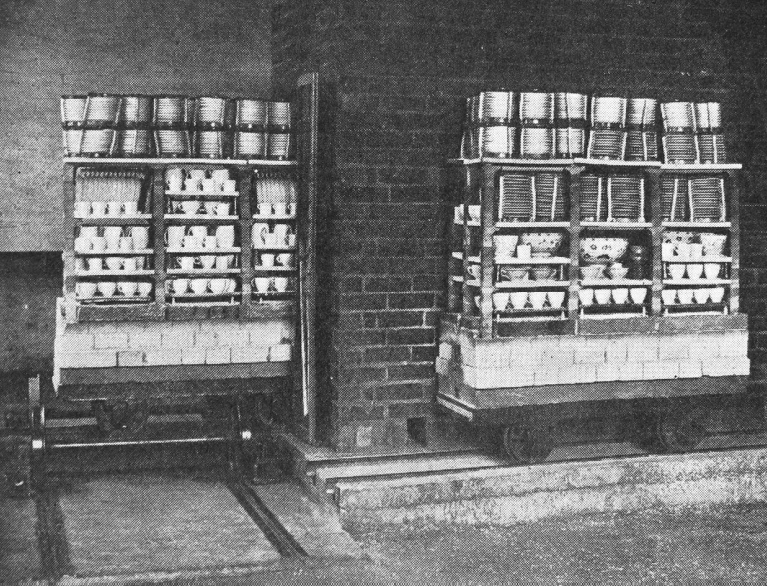
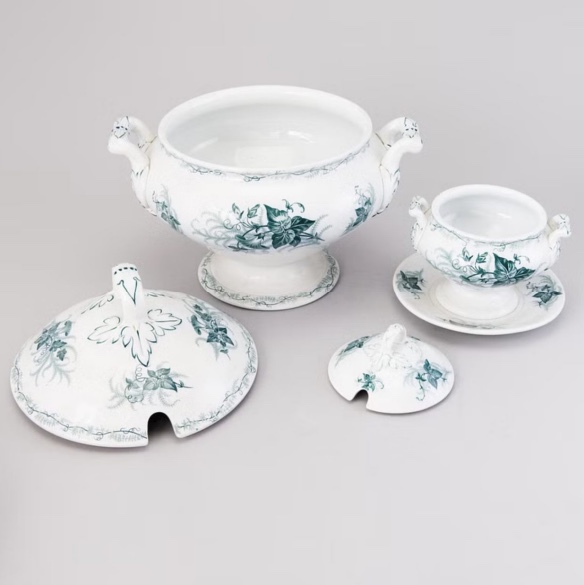
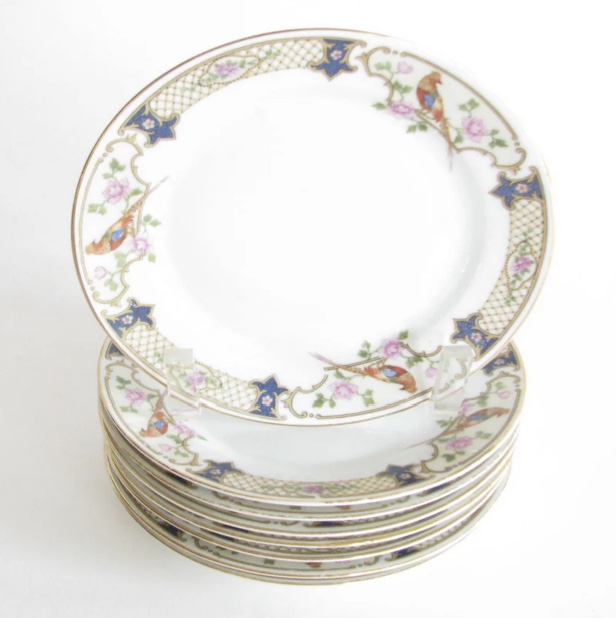
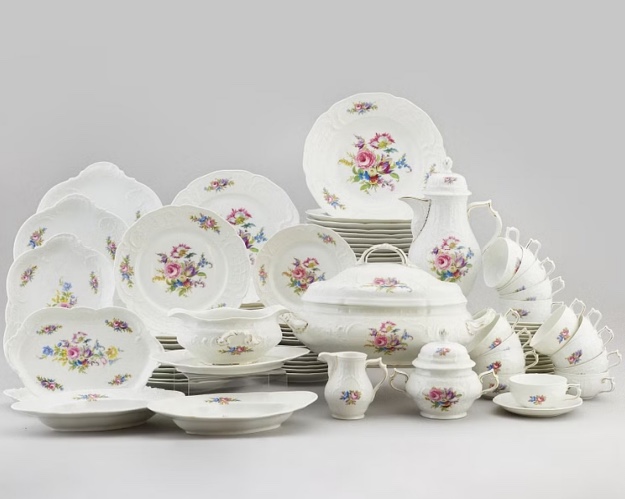
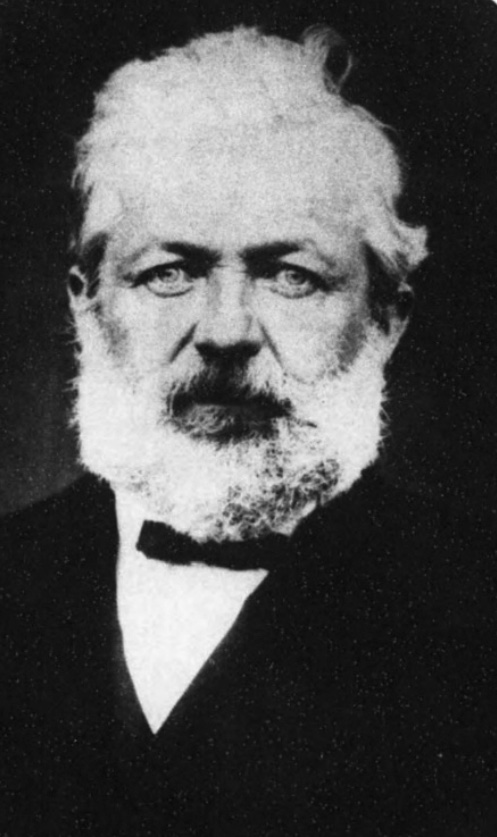
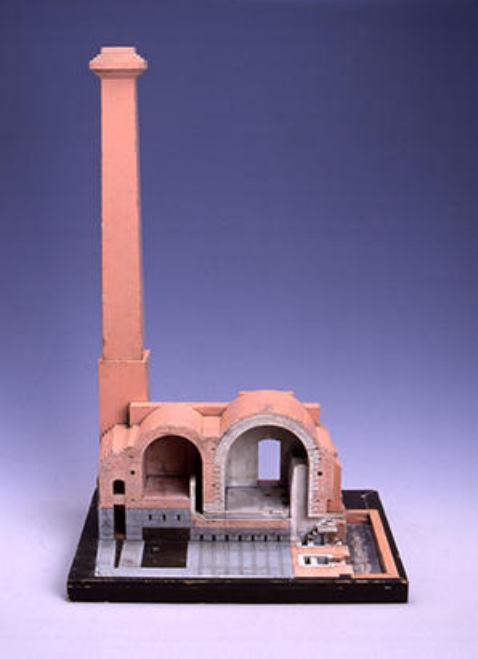
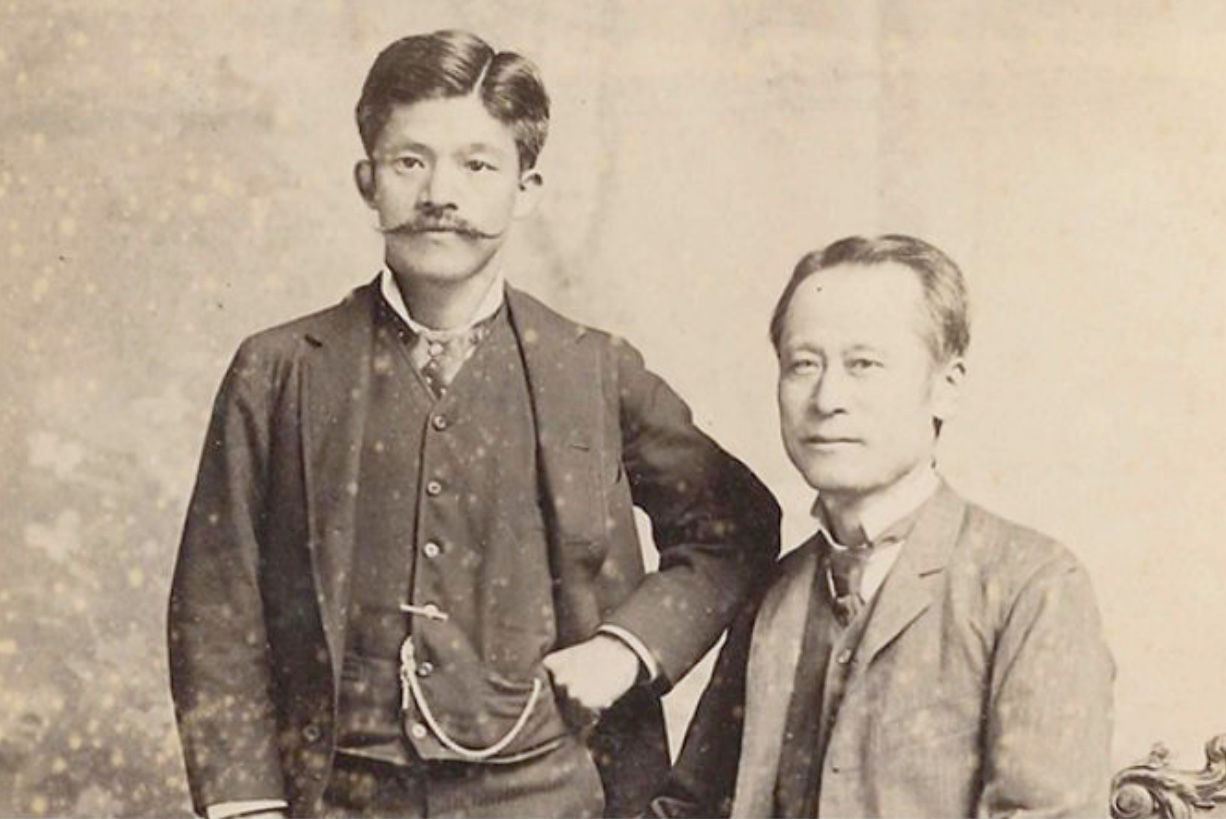
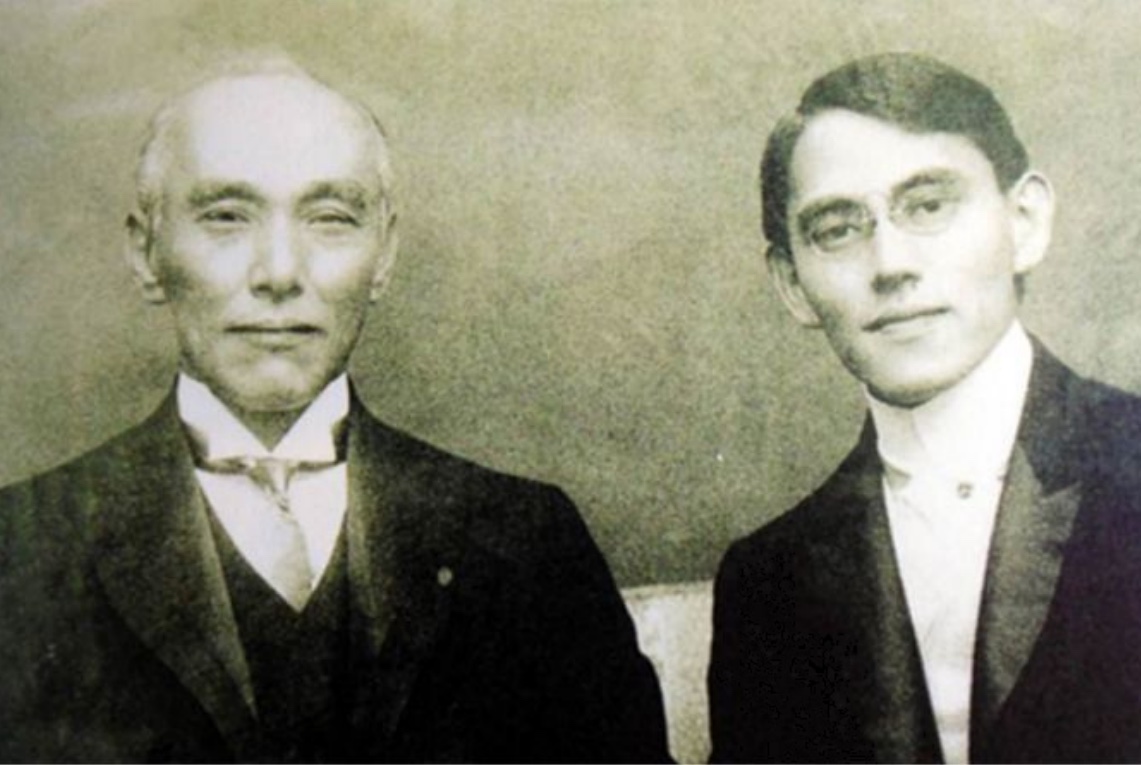
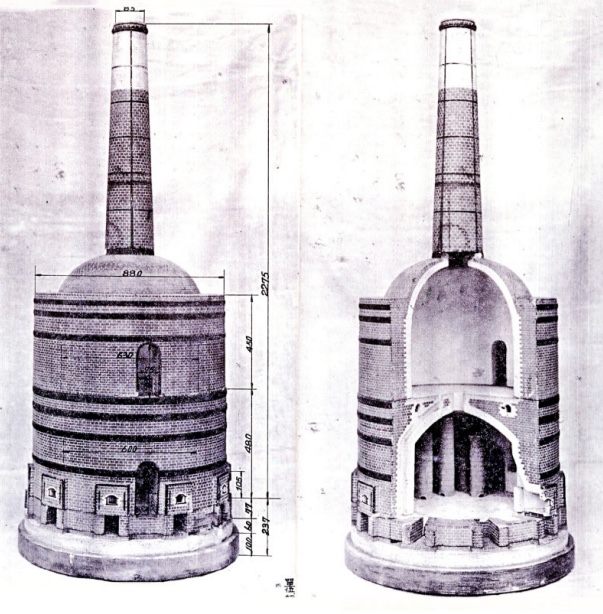
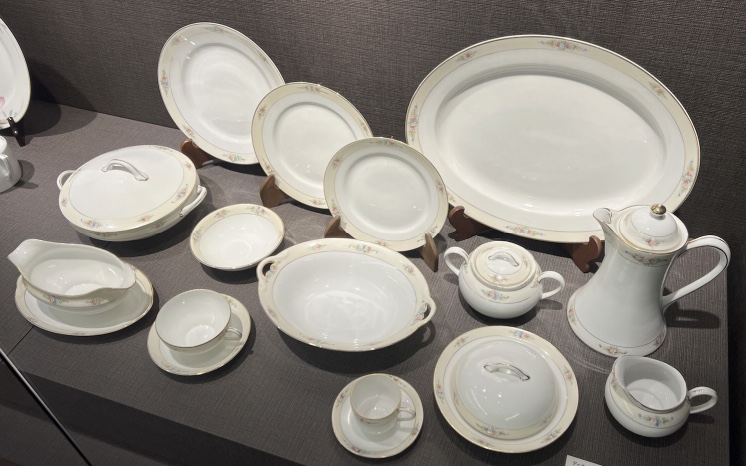
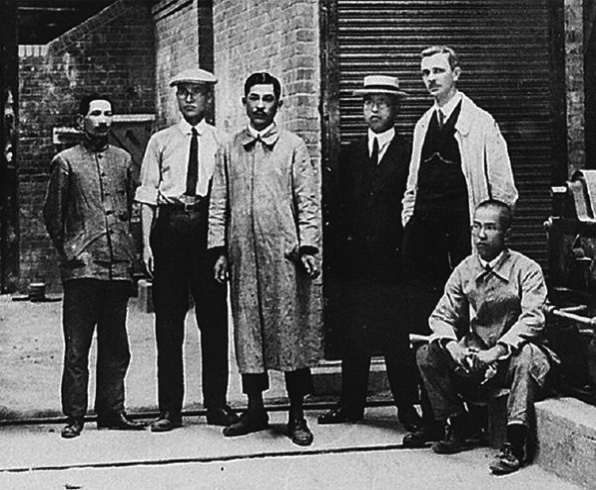
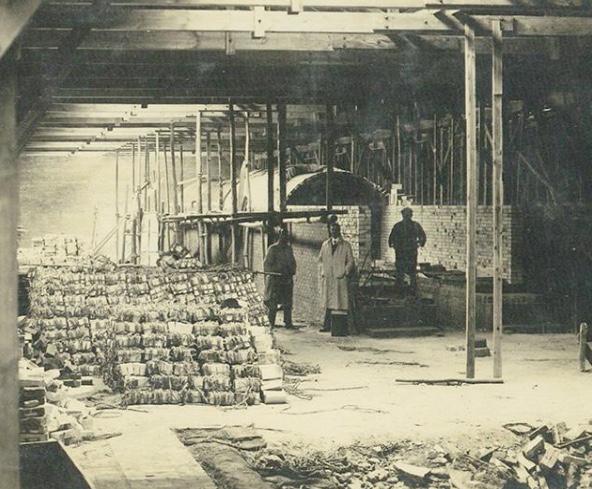
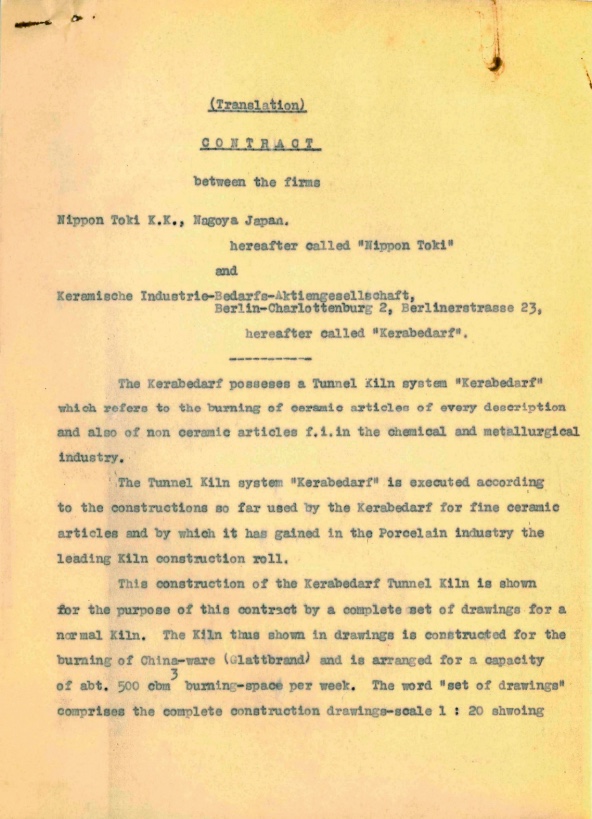
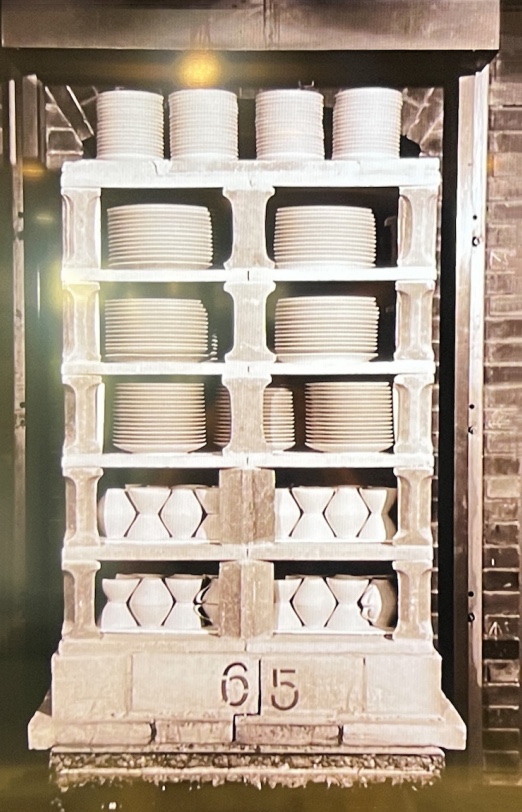
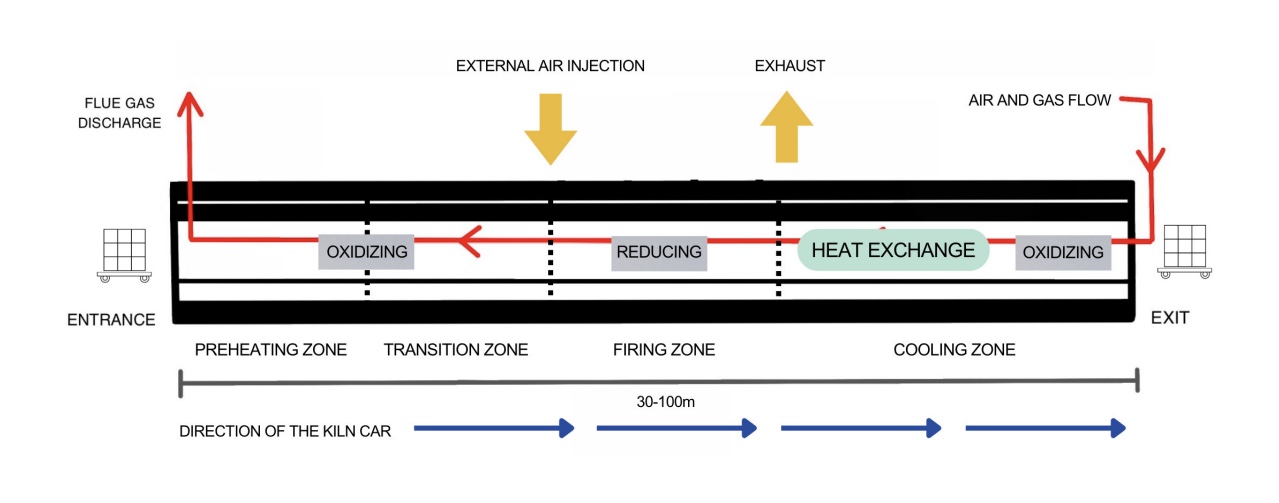
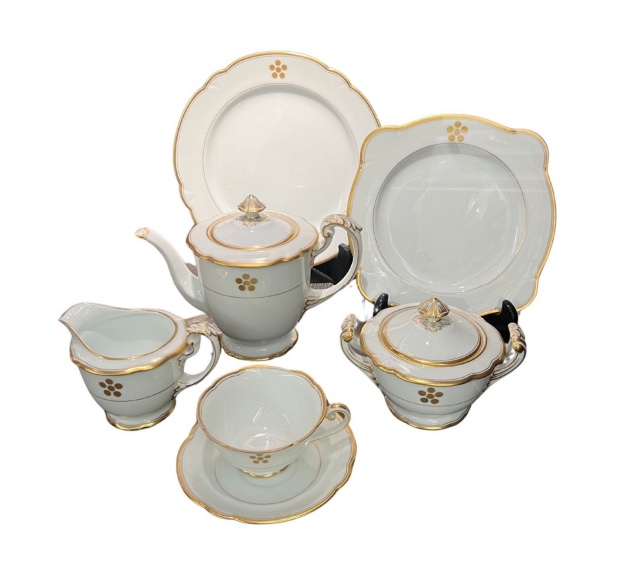
Table 1. Development of the Modern Ceramic Industry
| Production Methods | Kiln | Fuel | Skills | |
|---|---|---|---|---|
| Pre-Industrial Revolution | Craft Art | Climbing Kiln, Square Kiln | Firewood | Master Artisans |
| Industrial Revolution (1750s~20th c.) | Factory-based Craft Art, Mass Production | Round Kiln, Bottle Kiln | Firewood → Coal | Master Artisans → Labor Specialization |
| Mass Production (1920s-1970) | Large-scale Mass Production | Continuous Firing Kiln, Tunnel Kiln | Coal, Gas, Oil, Electricity | Labor Specialization, Automated Intelligence, Streamlined Manufacturing |
Table 2. Comparison of Morimura Group Tunnel Kilns (Source: Odake and Yamada, “Introduction,” p. 2412)
| TOYO TOKI | NGK INSULATORS | NORITAKE | |
|---|---|---|---|
| Kiln Type | Dressler (England) | Harrop (USA) | Kerabedarf (Germany) |
| Installation Year | 1920 | 1928 | 1934 |
| Supervision | Rushton (England) | Perry (USA) | Japanese |
| Length | 107.5m | 120m | 78.7m |
| No. of Burners | 4 | 14 | 20 |
| Fuel | Producer Gas | Heavy Oil | Producer Gas |
| Products | Sanitary Ware | Insulators | Tableware, Decorative |
| Heating | Indirect | Direct | Direct |
| Atmosphere | Oxidizing | Reducing | Reducing |
| Saggar | Without | Without | With |